About powertoolsuk5748
A List Of Common Errors That People Make When Using Power Tools
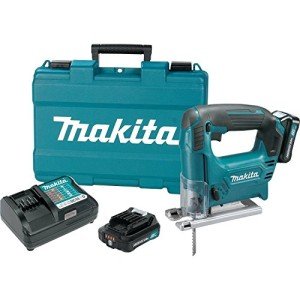
A Comprehensive Guide to Power Tools Prices
Power tools have actually transformed the way DIY lovers and professionals alike approach their projects. Whether you’re a skilled specialist or a weekend warrior, understanding the market for power tools– particularly, their prices– is important. This blog post will check out various types of power tools, price ranges, crucial aspects that influence prices, and recommendations on making cost-efficient purchases.
The Power Tool Market Overview
Power tools include a vast array of devices that are powered by electrical power, batteries, or compressed air. They are normally categorized into 2 primary types: corded and cordless tools. Each type offers its advantages and differs significantly in cost based on aspects such as brand, power, and functions.
Table 1: Types of Power Tools and Their Functions
| Type |
Function |
Typical Examples |
| Drills |
Producing holes in different products |
Cordless drill, hammer drill |
| Saws |
Cutting through wood, metal, or plastic |
Circular saw, reciprocating saw |
| Sanders |
Smoothing surfaces |
Orbital sander, belt sander |
| Mills |
Grinding, cutting, or polishing products |
Angle grinder, bench grinder |
| Nailers |
Driving nails into surface areas |
Brad nailer, framing nailer |
| Compressors |
Providing compressed air for tools |
Pancake compressor, portable compressor |
Price Ranges of Power Tools
The cost of power tools can vary considerably based on various elements, including type, brand name, power, and functions. Below is a breakdown of typical cost varieties for various categories of power tools.
Table 2: Price Ranges by Tool Type
| Tool Type |
Low-End Price (GBP) |
Mid-Range Price (GBP) |
High-End Price (GBP) |
| Cordless Drill |
₤ 30 |
₤ 100 |
₤ 300 |
| Circular Saw |
₤ 50 |
₤ 150 |
₤ 500 |
| Orbital Sander |
₤ 30 |
₤ 80 |
₤ 250 |
| Angle Grinder |
₤ 25 |
₤ 75 |
₤ 300 |
| Corded Drill |
₤ 40 |
₤ 120 |
₤ 400 |
| Framing Nailer |
₤ 100 |
₤ 250 |
₤ 600 |
Aspects Influencing Power Tool Prices
Several factors contribute to the prices of power tools in the market. Understanding these can assist customers make notified getting choices.
-
Brand name Reputation: Established brands typically bring a premium due to their reliability, service warranty services, and client assistance.
-
Tool Features: Advanced features such as variable speed settings, brushless motors, and ergonomic style can raise the price point.
-
Source of power: Cordless tools tend to be more pricey than corded ones due to the added cost of battery technology and convenience.
-
Warranty/Service Plans: Tools that include comprehensive service warranties or service strategies may have greater in advance costs.
-
Product Quality: Tools made with premium products and advanced production processes tend to be more costly.
-
Market Demand: Seasonal need, particularly throughout holidays or promotional events, can influence rates.
Making Informed Purchases
When thinking about purchasing power tools, it is necessary to review a few essential aspects:
1. Assess Your Needs
Determine the specific type of power tools you need based on your tasks. If you are a casual user, buying high-end tools might not be essential.
2. Research Study Brands and Prices
Make use of online platforms to compare costs throughout various brand names and sellers. Websites like Amazon, Home Depot, and Lowe’s offer customer evaluations and rankings, assisting in your decision-making.
3. Search for Bundles
Many merchants provide tool bundles that offer a set of tools at a reduced rate. This is helpful for those wanting to equip their workshop without spending beyond your means.
4. Take Advantage of Sale Events
Watch out for special promos, sales events, or holiday discounts that can significantly reduce costs.
5. Think About Second-Hand Options
For those on a tight budget, thinking about utilized tools can provide substantial savings. Constantly inspect the condition and functionality before buying pre-owned power tools.
Often Asked Questions (FAQ)
Q1: What is the average life expectancy of power tools?
A1: The life expectancy of Power Tools Prices (https://www.alyshewitt.top) tools can differ significantly based on usage and maintenance. Generally, a well-maintained power tool can last anywhere from 5 to 10 years.
Q2: Are more affordable power tools worth the investment?
A2: Cheaper tools can be ideal for periodic use, but they may not supply the resilience or performance needed for more intensive tasks. It is important to stabilize cost with quality based upon your needs.
Q3: How can I extend the life of my power tools?
A3: Regular upkeep, consisting of cleansing, lubricating moving parts, and utilizing tools as intended, can help extend their life-span. Always follow the maker’s guidelines.
Q4: Are cordless tools much better than corded tools?
A4: Cordless tools use greater benefit and portability, while corded tools typically provide greater power and performance. The option depends upon the particular applications and user choices.
Q5: What security precautions should I take while utilizing power tools?
A5: Always use proper security equipment, consisting of safety glasses and gloves, and ensure your workspace is clear of hazards. Familiarize yourself with the tool’s safety functions and operation before usage.
Power tools can be a considerable financial investment, but by comprehending their costs and the aspects that influence them, customers can make informed decisions. Whether you’re a DIY enthusiast or a professional contractor, understanding how to navigate the power tool market makes sure that you pick the right tools for your jobs while staying within your budget. With appropriate care and factor to consider, you can find the best tools to tackle any job, huge or small.